


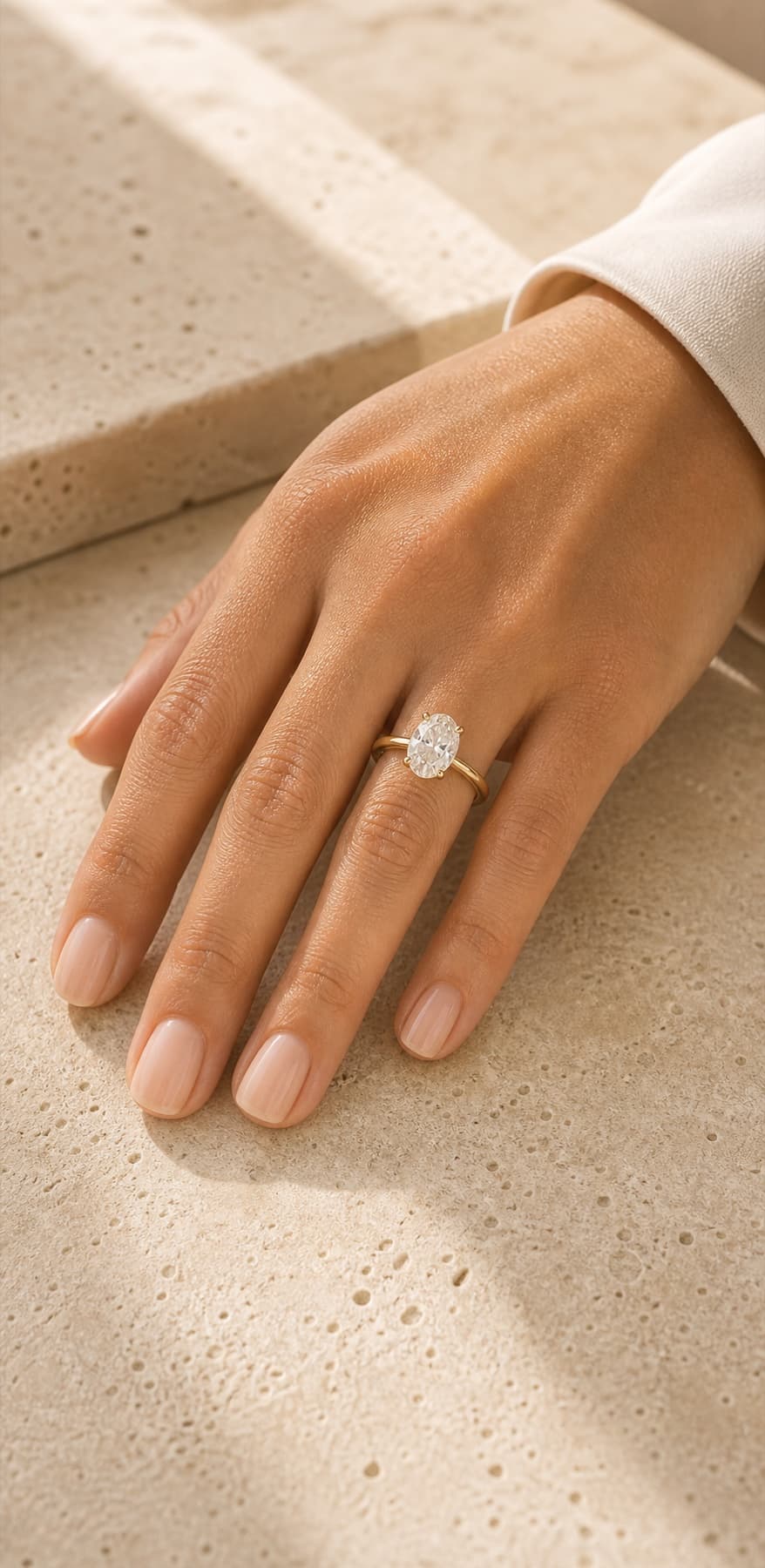
Oval Solitaire
A graceful oval center stone with clean metal, generous light, and a shape that feels romantic without becoming ornate.
Customize this directionPrivate jeweler in San Diego
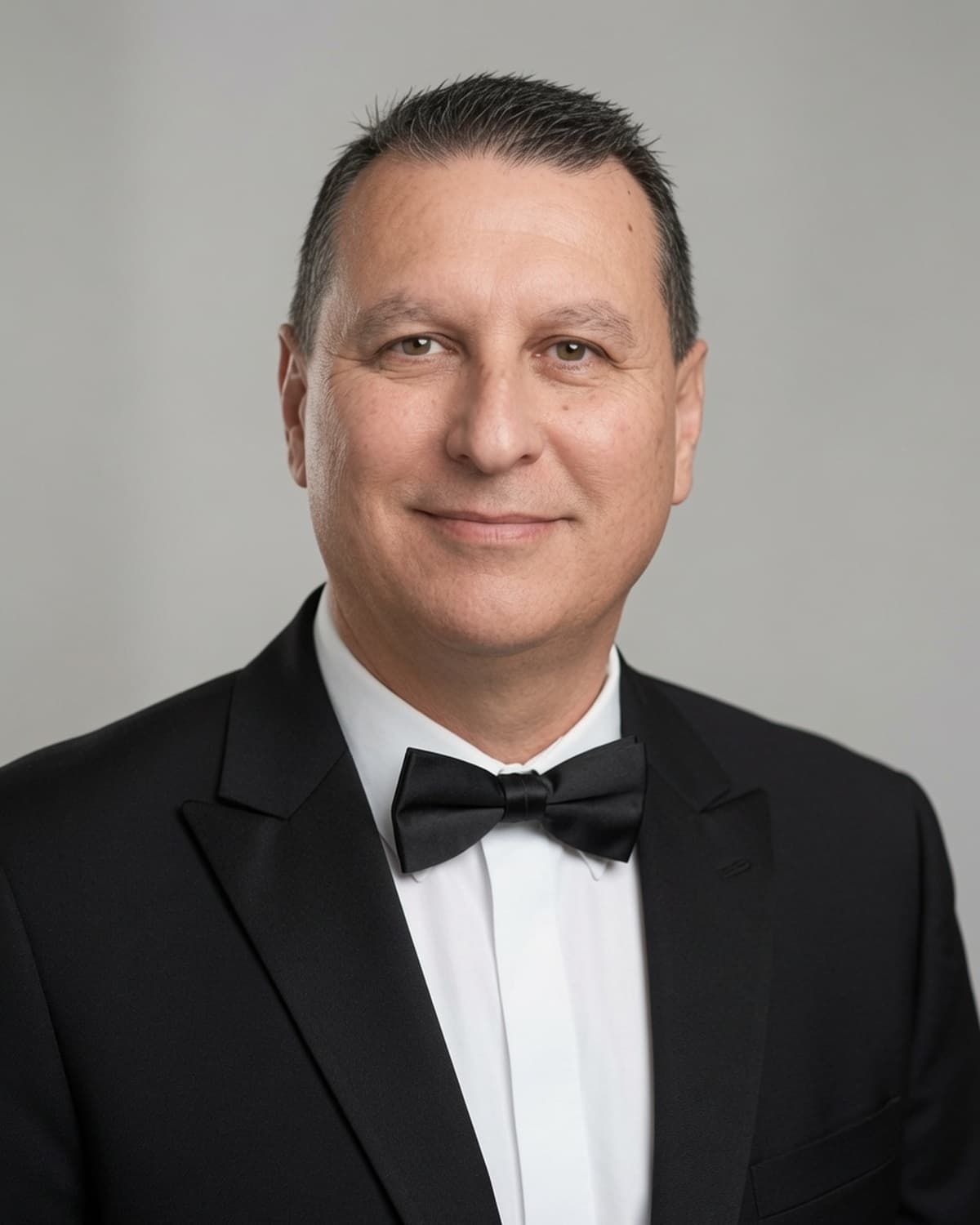
Andrew GonzalezGIA Diamonds Graduate · 30+ years
I’m Andrew Gonzalez, GIA Diamonds Graduate, and I’ve been building custom engagement rings for more than thirty years. Two diamonds with the same grades can look completely different, so I look beyond the report and send you the stones worth considering on video, with my honest pick. You make the final call. Custom rings start at $3,000, and most are finished in 14 to 30 days once your diamond and design are approved.
30+ years of experience building custom engagement rings, wedding bands, and custom jewelry. GIA Diamonds Graduate. Designed and built in the USA.
Example of a text conversation with Andrew. Andrew says: It's ready.. Andrew sends a photo: Finished custom three-stone engagement ring in a red velvet ring box. Sarah says: ANDREW.. Sarah says: it's even better than her Pinterest board 😭. Andrew says: Now the easy part. Go ask her 🥂.
How most rings start: a text.
Not inventory. Inspiration.
Everything starts with the stone. These are here so you can point at what she’d love, whether that’s something simple or something with more going on, and the ring gets built from there: your diamond, her hand, your number.
A graceful oval center stone with clean metal, generous light, and a shape that feels romantic without becoming ornate.
Customize this direction
A focused, minimal ring that lets the diamond carry the emotion, proportions, and light.
Customize this direction
A round brilliant diamond set in a slim bezel for a clean, modern ring with soft protection and quiet presence.
Customize this direction
A soft rectangular center with a plush outline, generous sparkle, and a less expected profile than a round brilliant.
Customize this direction
A sleek step-cut diamond secured in a clean bezel for an architectural, understated profile.
Customize this direction
A center diamond framed by two supporting stones for presence, meaning, and beautiful side views.
Customize this direction
Two complementary center stones set together for a personal, sculptural ring with strong custom-design potential.
Customize this direction
A dramatic elongated shape with pointed ends, strong finger coverage, and a rare editorial feel.
Customize this direction
A pear-shaped center with a fine pavé band for movement, shimmer, and a soft directional silhouette.
Customize this direction
A rectangular brilliant center with hidden detail under the crown for sparkle that feels discovered up close.
Customize this direction
A center stone set horizontally for a lower, modern line across the finger.
Customize this direction
Asscher, emerald, baguette, and antique-inspired geometry with warm detail and measured restraint.
Customize this directionWhat custom actually means
A custom ring does not have to be complicated. The work is deciding what needs to be selected, what can be modified, and what must be built.
Andrew compares natural and lab-grown diamonds by shape, face-up appearance, proportions, origin, and budget fit. By eye, not just by report.
Start from a strong foundation when it exists, then adjust prongs, profile, metal, side detail, or band fit.
Use CAD when the right setting is not available or the ring needs a made-to-fit side view, basket, or stone arrangement.
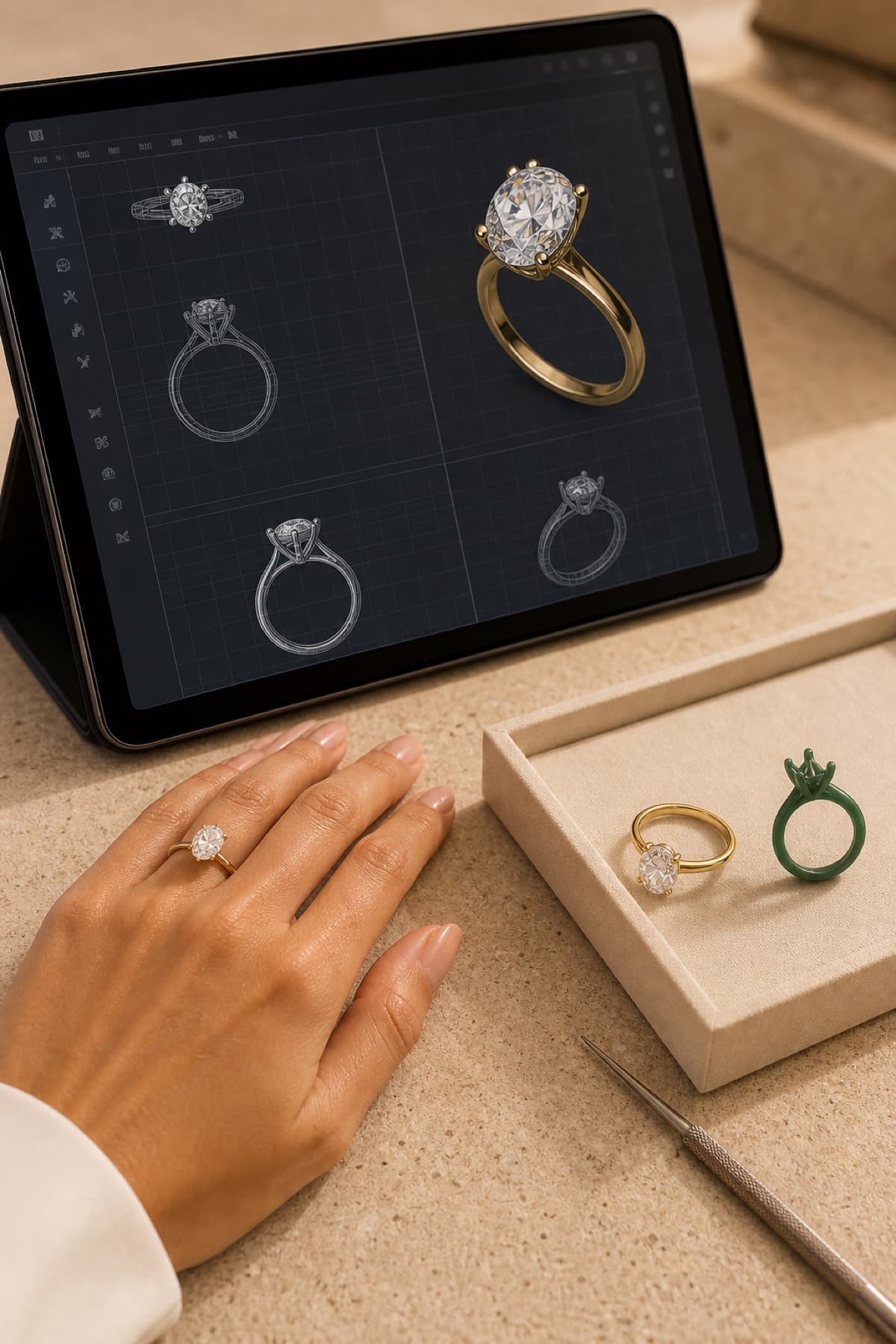
Designed and built in the USA
A lot of jewelry sold today, custom or not, is mass-manufactured and imported. Everything we make is made here in the United States, by master jewelers and U.S. manufacturing partners who are the best at what they do. Quality comes first, because this is something you’ll wear every day for the rest of your life.
That’s where the value is. Working directly with me often costs less than a big-box jewelry store, and the quality is in a different class.
Text Andrew a PhotoWhat quality looks like on your hand
Natural or lab-grown, from the best sources I know, and chosen by eye so the stone lives up to the ring around it.
Set so it doesn’t catch on sweaters or hair, and doesn’t hide the stone either.
Thin or uneven prongs are how diamonds get lost. These are formed to hold for decades.
Smooth wherever it touches skin, and clean where light enters the stone.
Made so your wedding band sits flush against it, with no gap.
About Andrew
Andrew Gonzalez, GIA Diamonds Graduate
Jewelry is my family’s business, and it still is: my son Ezra runs our marketing and everything online while I handle the diamonds. I’ve owned and managed stores, my own and my family’s, and these days most of my work is wholesale: buying and selling diamonds and gold, week in and week out. I never needed a storefront, because the work comes to me instead, from jewelers who need a stone found, and from couples someone sent my way. Work with us and we’ll treat you like family.
You reach me the same way they do: directly. Most people start with a call: what she likes, the shape, how she actually wears jewelry, and the range you have in mind. From there I write up a proposal that spells out exactly what we’re building. Only then do I go looking: the stone first, then the setting, and a straight answer about whether custom is even the right path for what you want.
Nothing sits in a case waiting for you. Every stone I show you was found for your ring, in your shape and your range, after we agreed on the plan. On any given day you’ll see me moving between jewelers, picking up gold, checking stones, and calling in favors to keep a ring on schedule. When I say I live inside this business, I mean it literally.
What I love most is building custom pieces, engagement rings above all. I proposed to my wife with a ring I made. I built my daughter’s engagement ring. I’m building my son’s right now. You won’t find a photo of any of them here, and that’s deliberate: what I make for you stays yours, not a template for somebody’s mass production.
30+ years of experience building custom engagement rings, wedding bands, and custom jewelry. GIA Diamonds Graduate. Designed and built in the USA.
What the paper won’t tell you
Two stones can carry nearly identical grading reports and look nothing alike in person. Mass sellers profit from that gap. I built a career inside it. It’s why I became a GIA Diamonds Graduate instead of trusting paperwork: the training is in reading exactly what a report leaves out.
A flaw tucked near the stone's edge disappears under a prong forever. The identical flaw sitting dead center catches your eye every day. Both carry the same clarity grade.
A hazy stone can carry beautiful grades and still look like a window that needs cleaning. Transparency appears nowhere on the report. You find out by looking.
Cut is graded on round stones only. The ovals, cushions, and pears everyone is saving photos of? How bright they are, how big they look, how much weight is buried underneath: graded by nobody.
A live simulation, not a photo. Drag the stones, then take the controls yourself.
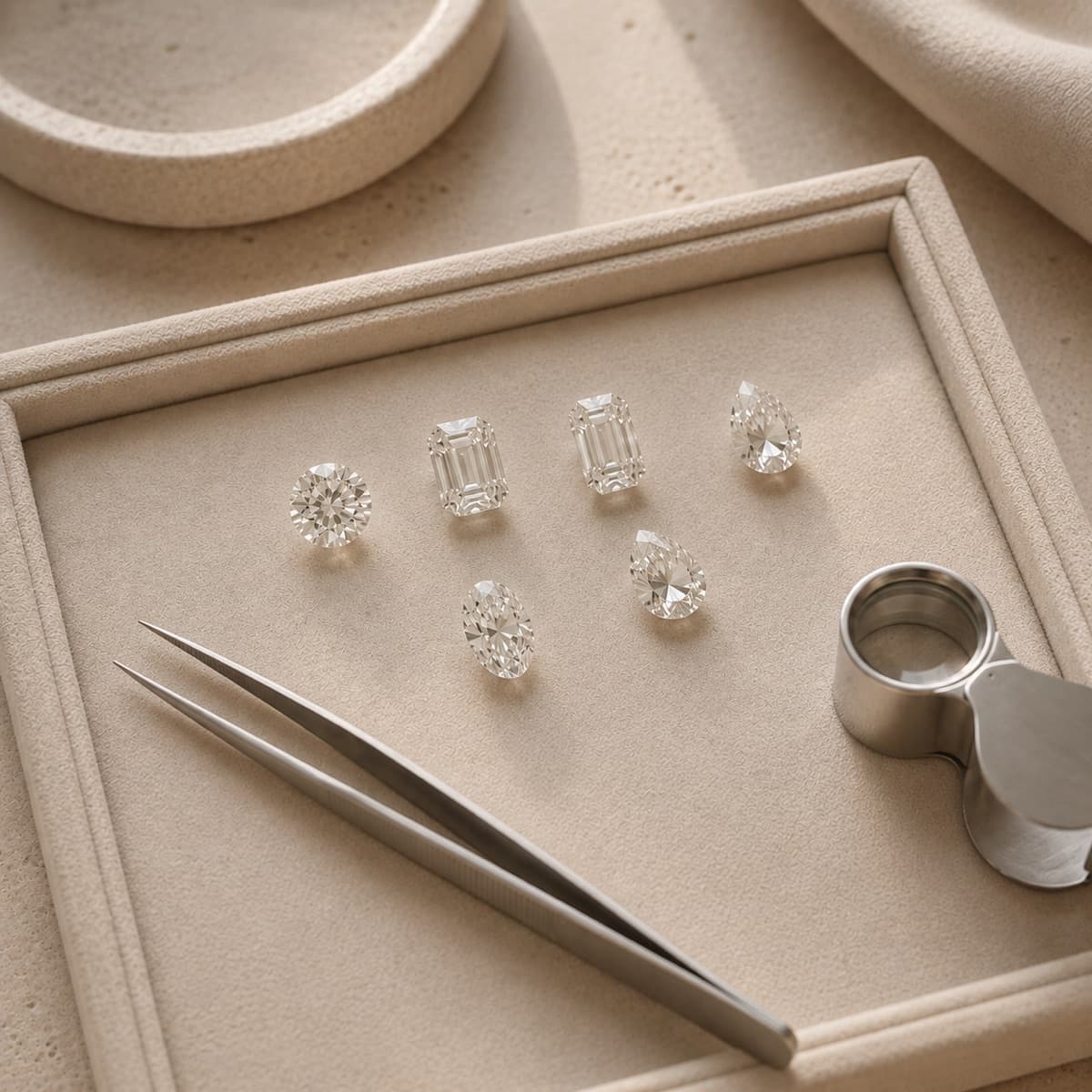
Where the good stones go
In thirty years I’ve watched where diamonds go. Cutters and dealers offer their finest stones to private jewelers first, because we’re choosing one diamond for one person’s piece. I’m choosing the stone you’ll look down at every day, so I hold it to a higher standard than a big-box store, an online retailer or a diamond website ever has to.
The finest stones are offered to jewelers building one-of-one pieces. That’s where I buy, natural and lab-grown, from dealers I’ve trusted for years in New York and London.
Diamonds bought in volume, to a price and a grade, to fill a case.
The stones that were passed over, often with paperwork that reads just as well. A report can’t tell you which one you’re getting. Someone has to look.
The part most people get backwards
A diamond is priced from its paperwork: the weight, the color letter, the clarity grade, the lab that wrote it up. Two stones with the same lines on paper are priced almost the same. Whether one of them is the knockout is not in the price, because it is not on the paper.
So a beautiful diamond is rarely about spending more. It is about who is doing the choosing. Buy from a list of grades and you get whichever stone happens to match. Work with someone who reads past the report and you get the good one, for about the same money.
You are not paying extra for the better stone. You are paying the same and refusing the worse one.
See it for yourself in the live diamondBefore you buy
A price online is only part of the story. Two rings that look alike in photos can be built very differently: the prongs, the finish, the metal, and how the stone was chosen. That difference shows up after years of wear, long after the listing is gone.
Send me the listing or the loose stone you’re looking at. I’ll tell you honestly what I see and what the finished ring would really involve. If buying it there is the right call, I’ll say so.
How most of these start: a link.
Natural or lab-grown
A natural diamond and a lab-grown diamond can both make a beautiful engagement ring. The difference is not whether one can look good. The difference is origin, rarity, budget, size, and what the stone means to the person wearing it.
Choose natural when geological origin is part of the emotion.
A natural diamond was formed by the earth over an extraordinary amount of time. For some couples, that origin is part of the meaning. They want the traditional diamond category: geological, finite, and naturally formed.
Choose lab-grown when the ring you picture matters most.
A lab-grown diamond has a different origin, but it can give you a larger or more specific center stone within the same budget. For many couples, that means the ring can look closer to the inspiration photo without forcing the budget higher.
The real question
The easiest way to choose is to compare both paths in the same ring direction. Oval vs oval. Radiant vs radiant. Solitaire vs solitaire. Same setting idea, same budget range, two different diamond origins.
I hold no inventory, so I have no stone to push you toward. I’ll walk you through what changes, what stays the same, and what each choice means before the ring is made.
In their words
“We walked in thinking $3,500 wouldn’t get us anything special. Andrew built Jasmine an oval that gets compliments almost weekly, and he never once tried to push us past our number.”
Tyler & Jasmine
Custom oval engagement ring
“I had about three weeks before I shipped out and every store quoted me six to eight. Andrew asked for my date, said that’s doable, and the ring was in my hand in 17 days. She said yes with time to spare.”
Sean
Engagement ring on a deployment timeline
“He put two diamonds with nearly identical reports under the loupe and showed me exactly why the cheaper one wasn’t the better deal. I have never had anyone in a sales situation talk me out of spending money before.”
Priya
Radiant engagement ring
“We came in with a screenshot from one of the big diamond websites, basically daring him. He sourced the same specs with a noticeably better stone, side by side you could see it, and his number was lower. Honestly didn’t expect that.”
Miguel & Sofia
Compared against an online listing
Why couples trust Andrew
Straight talk about money
The number you are comfortable with is the number I design to. Tell me what it is and you will get a straight answer about what it buys, where I would put it, and where I would not bother.
There’s no showroom, sales floor or mall lease built into your price, so more of what you spend goes into the diamond and the craftsmanship. That’s why I can often come in under a big-box jewelry store with a better ring. I won’t always be the lowest price you can find, and I won’t pretend to be. If the lowest possible price is the only thing that matters, I’ll tell you honestly that I’m probably not your jeweler.
The money side stays simple: a short written contract, a deposit so I can source your stone, and the balance settled before your ring is finished. Custom work is made to order, so nothing goes into final production on credit. Most rings are done in 14–30 days.
See what your budget buysYou set it, I design to it. A stone chosen by eye, a setting that fits her hand, and nothing decided for you in advance.
For the ring that shouldn't exist twice: rarer stones, fully built settings, pieces designed around a specific person.
Everything in writing before anything starts, and the balance settled before the ring is completed. No store cards, no financing desk theater.
Start with a diamond, a setting direction, a photo, or a CAD concept.
Explore this path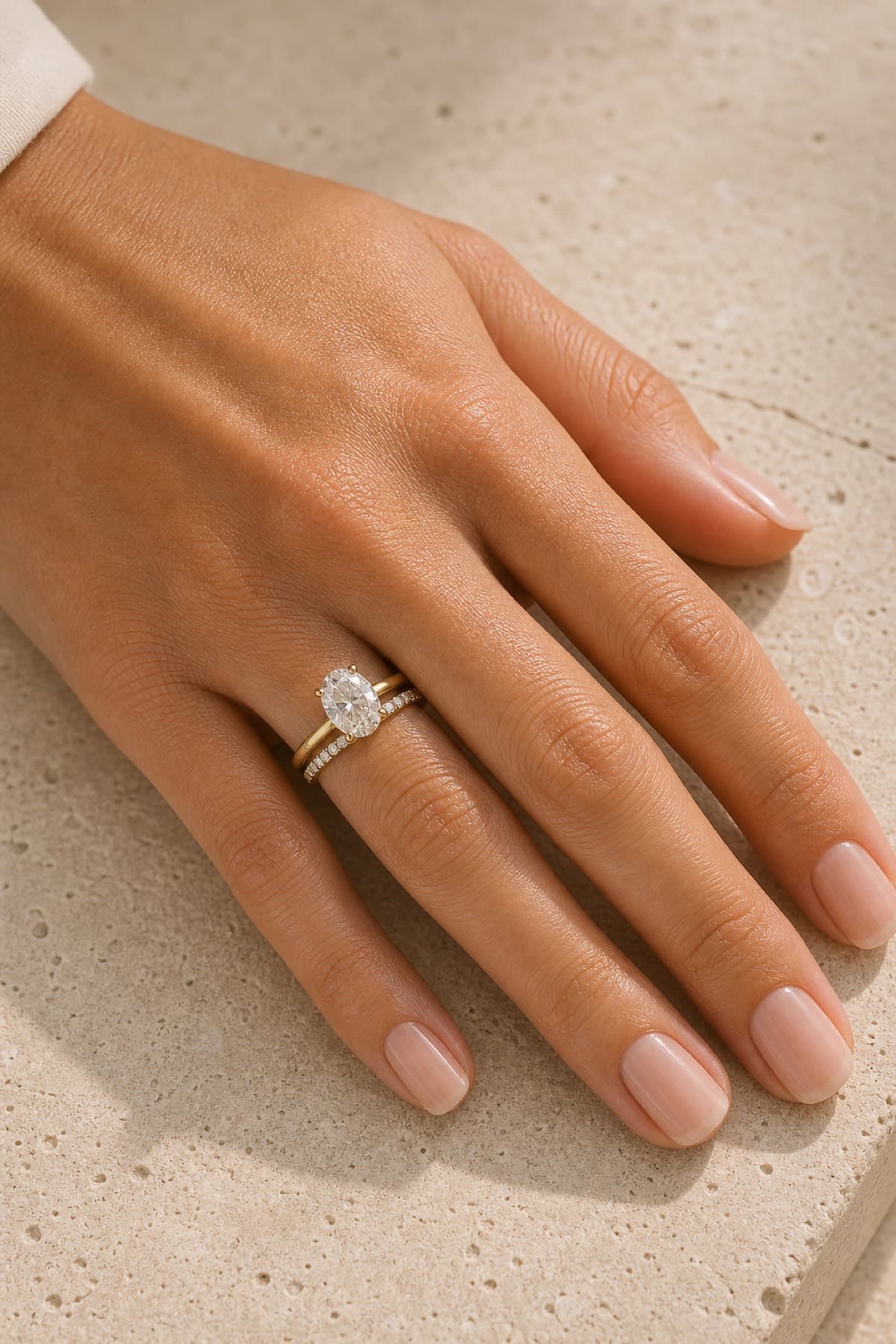
Create a band that works with the engagement ring and feels right every day.
Explore this path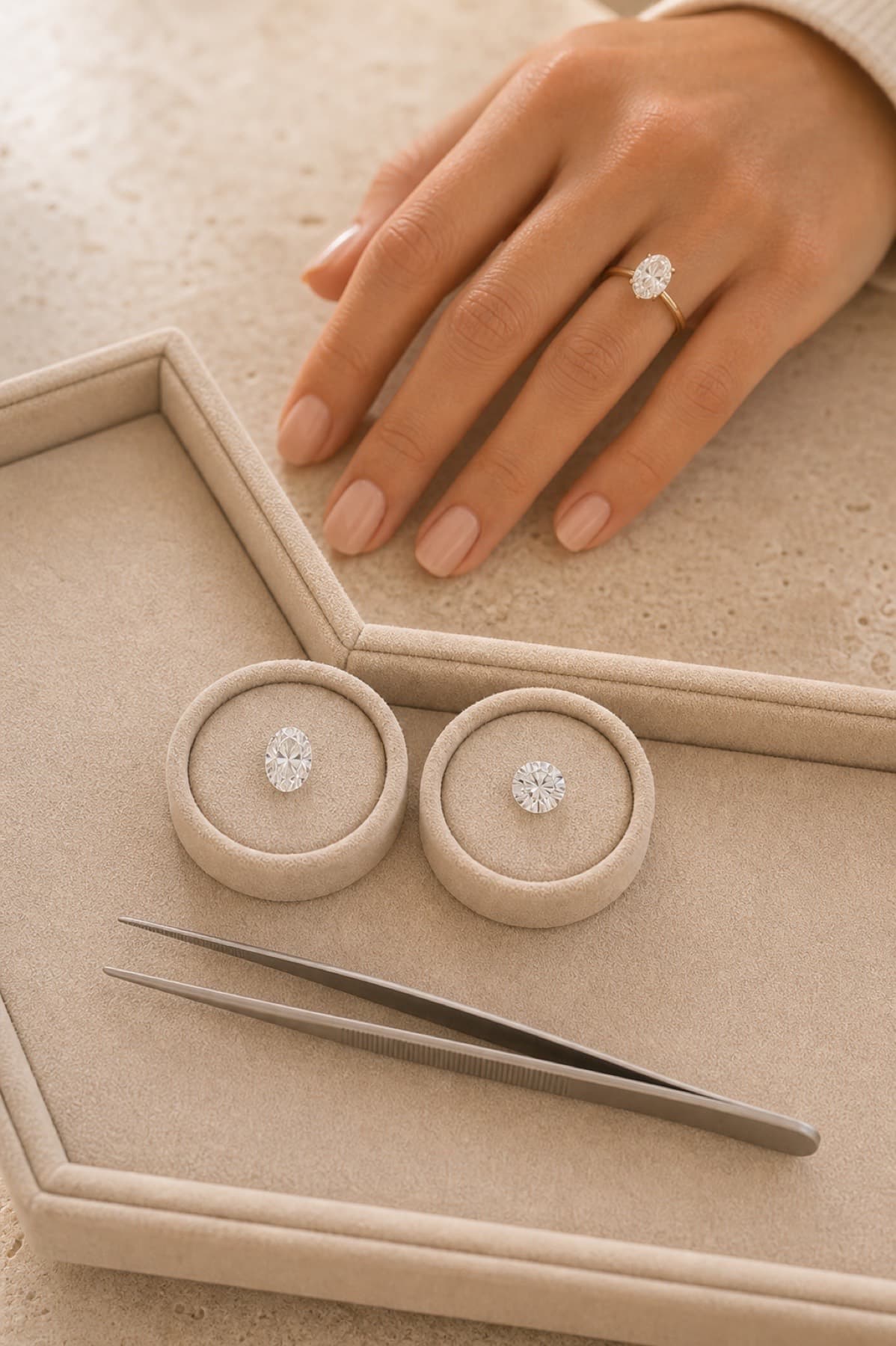
Explore lab-grown diamonds with the same setting and design care as natural diamonds.
Explore this path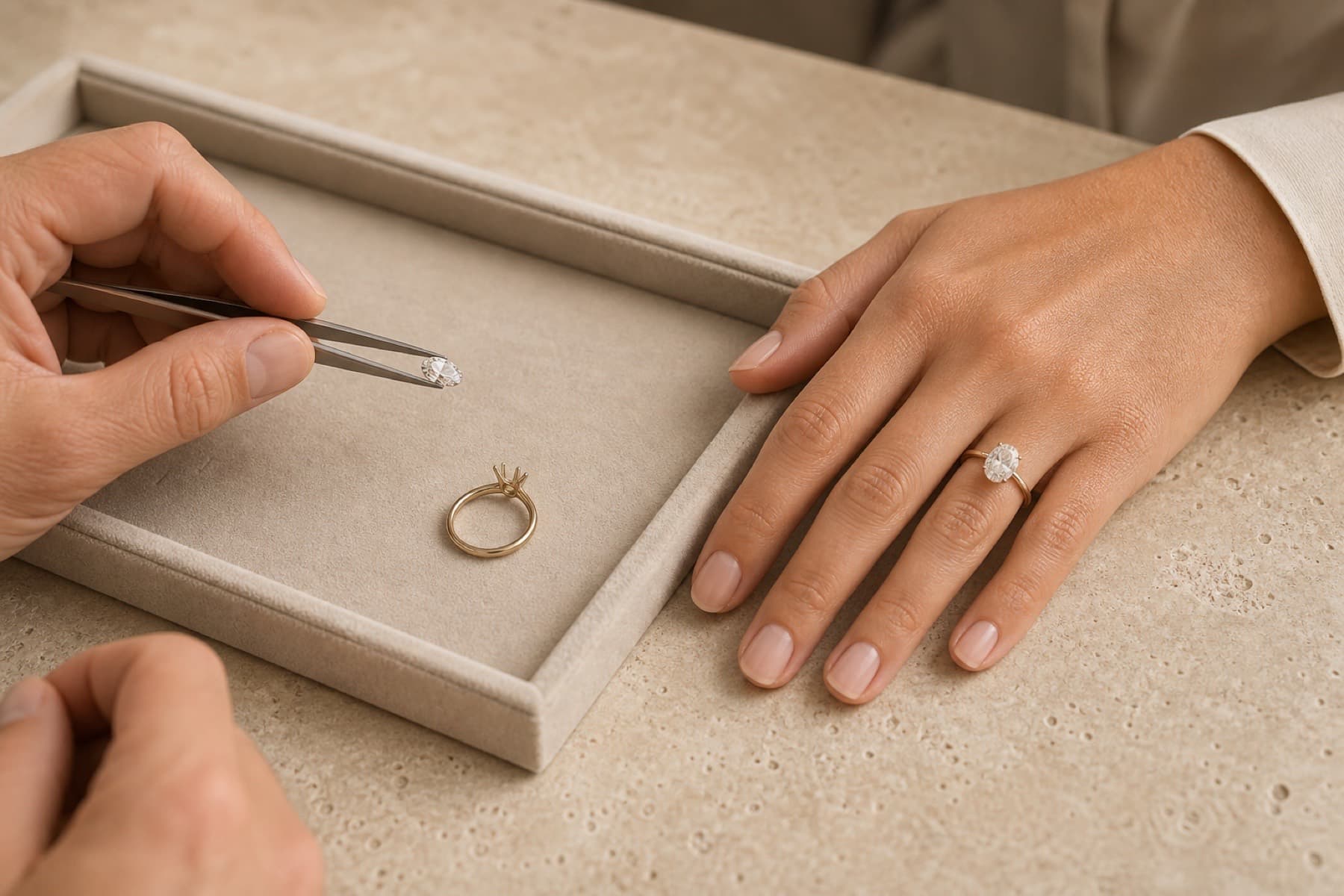
Compare natural diamond options with guidance on shape, size, quality, and setting fit.
Explore this path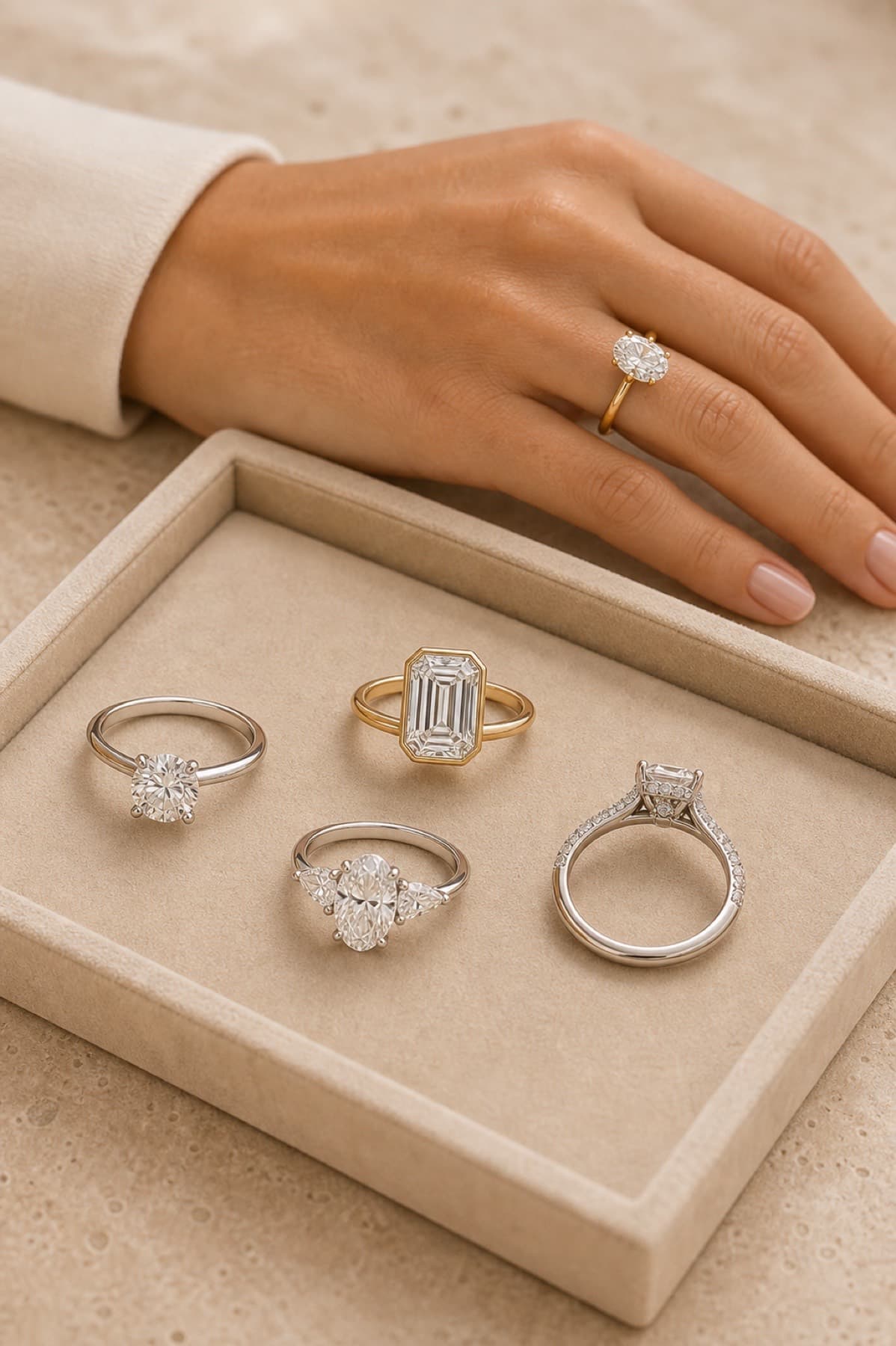
Choose, modify, or create a setting around the stone and the person wearing it.
Explore this pathWhen the right setting is not already available, build the ring path through CAD.
Explore this path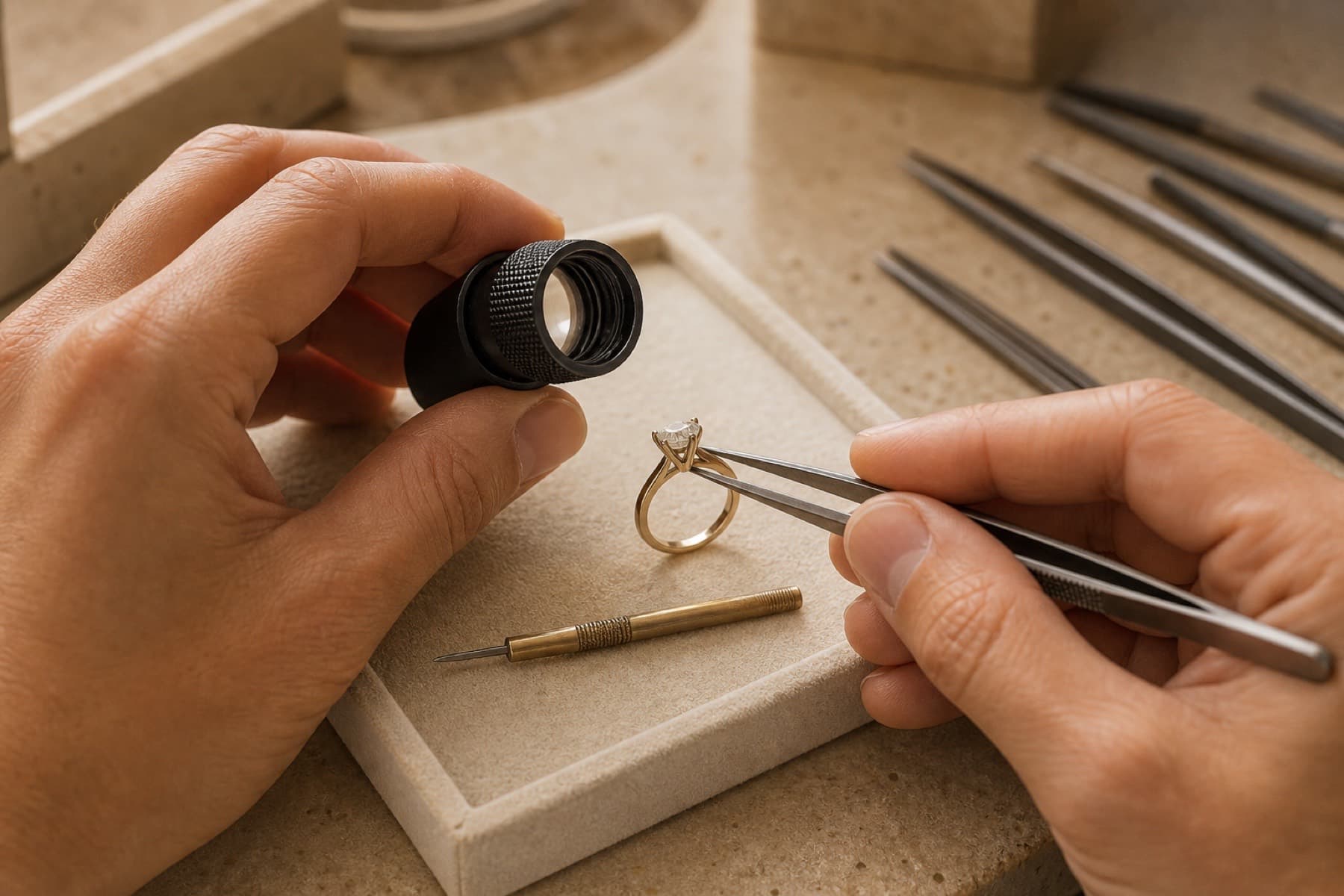
Reset a family stone into a ring that gets worn, with the original mounting returned to you.
Explore this path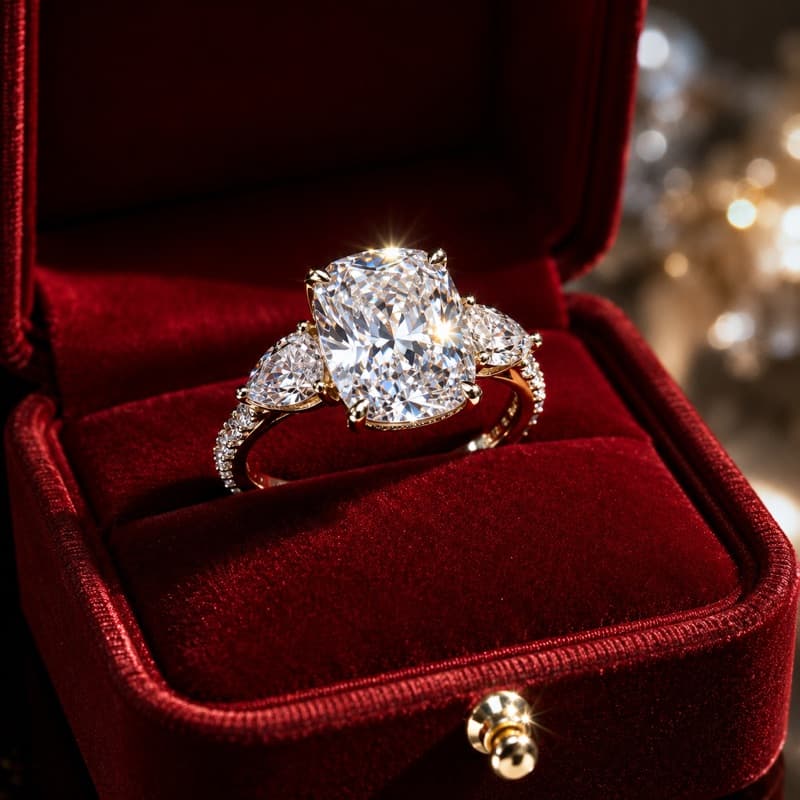
Anniversary bands, eternity rings, and upgrades designed around the set already on her hand.
Explore this path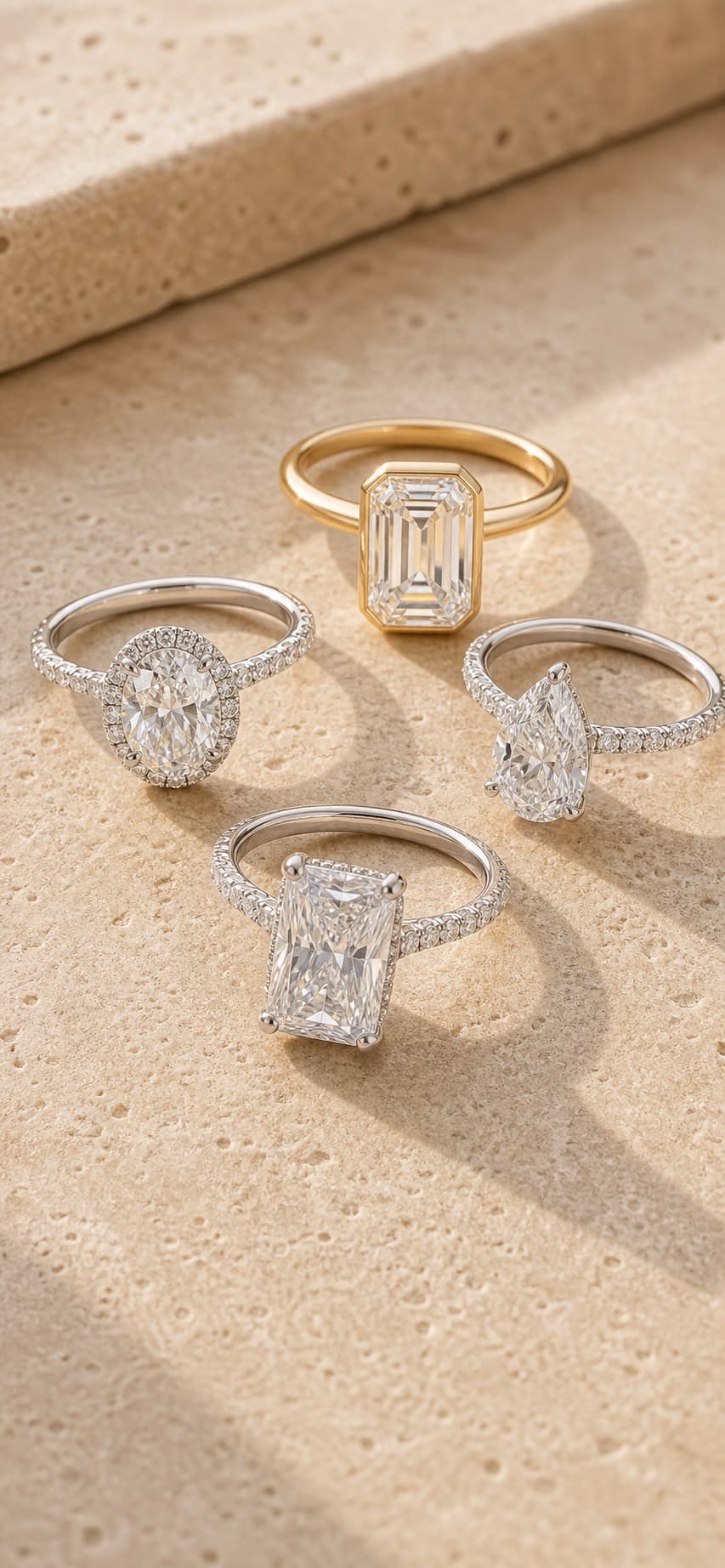
Earrings, pendants, and one-of-one pieces, for gifts, milestones, or no occasion at all.
Explore this pathMetals, widths, and finishes compared side by side, built for decades of daily wear.
Explore this pathPick the certified stone first, natural or lab-grown, and see it on video before anything is made.
Explore this pathBuilt for you. Most of what we make is designed from scratch around your diamond, and sometimes the right answer is refining a proven design so more of your budget stays in the stone. Either way it is made in the USA, and nothing is decided for you in advance.
In the United States. All of our custom jewelry is made here, by master jewelers and U.S. manufacturing partners who are the best at what they do. A lot of jewelry sold as custom is mass-manufactured and imported. We build for quality first, so we keep the making here, where I know exactly who made your piece and to what standard.
Yes, and it’s the best first step. A screenshot shows me proportion, mood, shape, and details, and I can usually tell you the smartest path from one image. Text it to (619) 279-7738.
Both, and I don’t care which you choose. I hold no inventory, so I have no stone to push. I’ll put a natural and a lab-grown next to each other in the same shape and budget and let your own eyes decide.
Most rings finish in 14–30 days. CAD work or unusual stones can run longer, and you’ll know the realistic window before any deposit changes hands.
It depends on the stone more than anything else, and I design to your number rather than quoting one at you. Tell me the range you're comfortable with and you'll get a plain answer about what it buys in the shape you want, in writing, before anything is ordered. The mechanics never change: a short written contract, a deposit so I can source your stone, and the balance settled before it is finished.
Yes. Bring the stone and its report and I'll tell you honestly what you have before we design around it. But if you haven't bought it yet, send me the listing first: a stone bought off a report alone, from an auction, a bulk broker, or a social-media shop, skips every check a private jeweler makes by eye.
We start on the phone. A consultation call covers what you're after, the budget, and the plan, and the rest runs by phone, text and video. When I've sourced stones for your ring, you see each one photographed and filmed next to its report, with my read on it, before anything is made. If you'd rather look at them yourself, we sit down at the Jewelers Exchange.
Text Andrew
A photo, sketch, or even a rough idea is enough to start. I can usually tell you whether the smartest path is a sourced diamond, a modified setting, a CAD build, or a short call to compare options.